








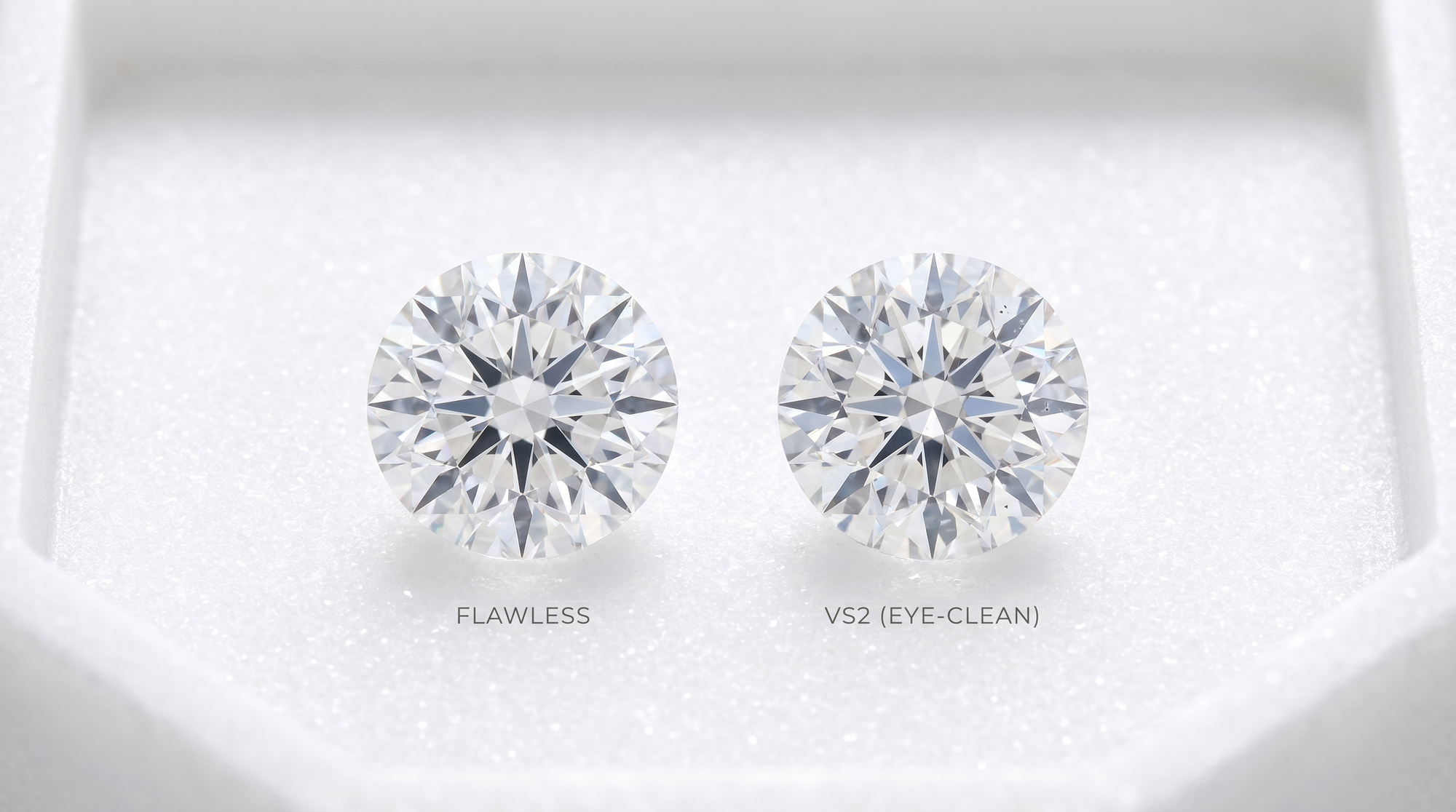
Picture yourself holding two diamonds side by side. One carries a flawless grade and a price to match. The other sits a few steps down the scale, yet to your eye, it looks every bit as brilliant. So what is the best diamond clarity to choose when both stones sparkle beautifully but only one spares your budget? The answer surprises most people, and it has very little to do with chasing the top of the chart.
For more than 100 years, the team at Polacheck's Jewelers has guided collectors and couples through this exact question. Clarity is one of the most misunderstood of the famous Four Cs, and the highest grade is rarely the smartest purchase.
By the end of this guide, you will understand how clarity is measured, where real value lives on the scale, and how to select a stone that looks stunning without paying for perfection no one can see.
Understanding the Diamond Clarity Scale

Every natural diamond forms deep within the earth under immense heat and pressure. That journey leaves tiny marks, and those marks are what gemologists evaluate when they grade clarity.
The diamond clarity scale developed by the Gemological Institute of America, the independent lab most respected in the industry, sorts stones into six broad categories. These range from Flawless at the very top to Included at the bottom. Internal characteristics are called inclusions, and surface characteristics are called blemishes. Together they tell the story of a diamond's individual character.
Here is how the diamond clarity chart breaks down, from highest to lowest:
|
Clarity Grade |
Abbreviation |
What It Means |
|
Flawless / Internally Flawless |
FL / IF |
No inclusions visible under 10x magnification. Exceptionally rare and priced accordingly. |
|
Very Very Slightly Included |
VVS1 / VVS2 |
Inclusions so minute that even trained graders strain to find them. The grade collectors prize. |
|
Very Slightly Included |
VS1 / VS2 |
Minor inclusions, difficult to see under magnification and invisible to the naked eye. |
|
Slightly Included |
SI1 / SI2 |
Noticeable inclusions under magnification, often still clean to the unaided eye in the higher grade. |
|
Included |
I1 / I2 / I3 |
Inclusions visible without magnification that may affect brilliance and durability. |
Understanding these diamond clarity grades explained in plain terms gives you a foundation. The next step is learning which of them actually matters once a diamond is set and worn.
What Is the Best Diamond Clarity for the Money?
Here is the insight that changes how most people shop. Once a diamond reaches a certain point on the scale, its inclusions become invisible to anyone without a microscope. Paying more beyond that point buys you a certificate number, not a visibly better stone.
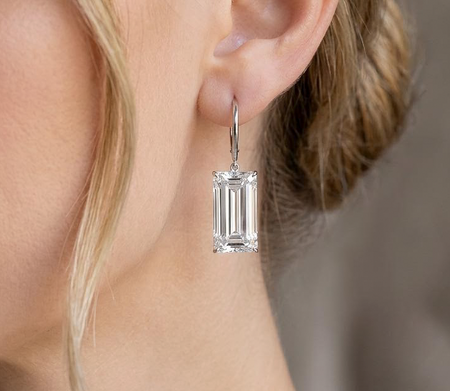
This is where the idea of the eye-clean diamond becomes your most useful tool. An eye-clean diamond shows no inclusions visible to the naked eye at a normal viewing distance, even if magnification reveals tiny characteristics. For most shoppers, the best diamond clarity for the money lives in the VS and SI range, where stones look pristine in person while costing far less than a flawless equivalent.
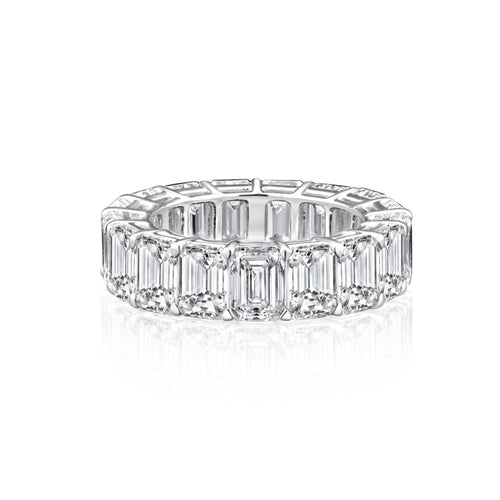
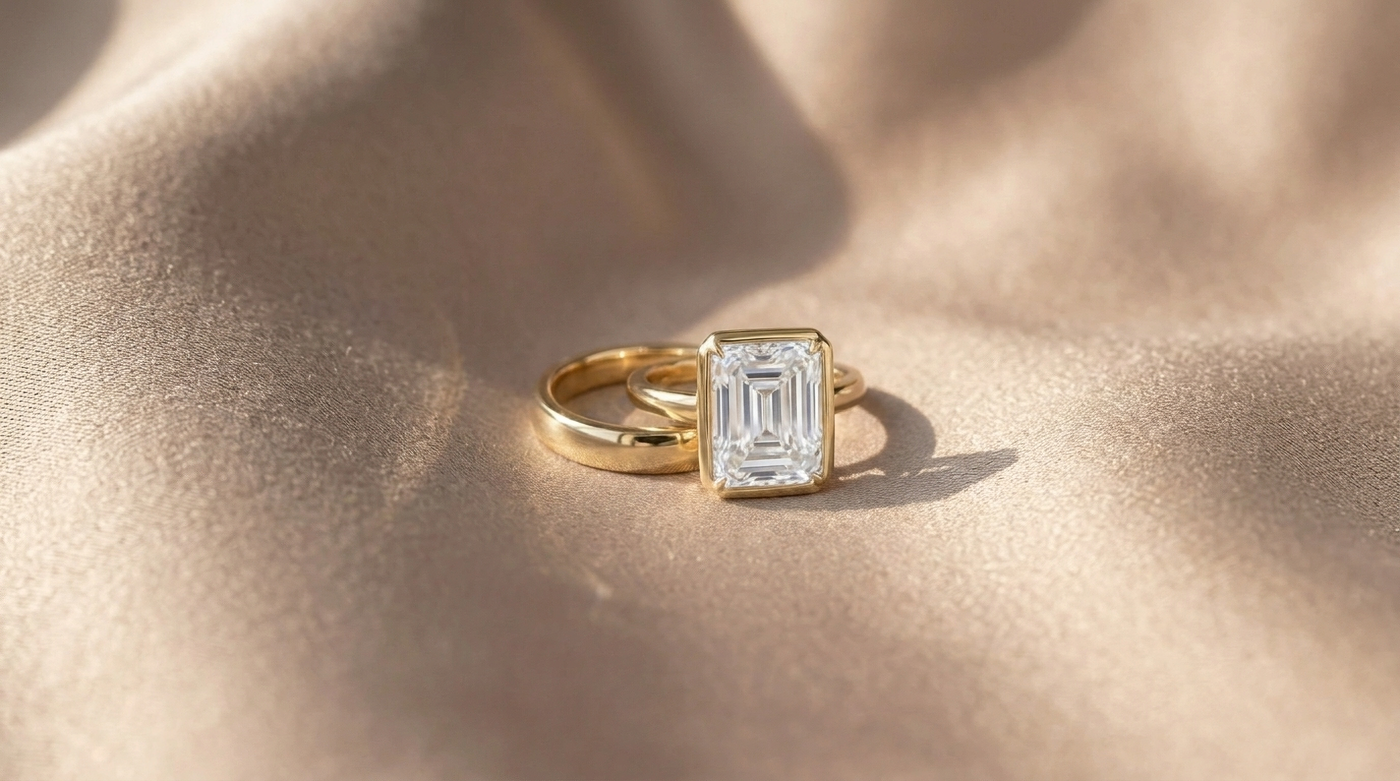
The grade where eye-clean begins depends on the diamond's size, shape, and cut. A smaller stone hides inclusions easily, so an SI grade can look immaculate. A larger emerald cut, with its open table, shows more, so you may want to step up the scale. Our gemologists at Polacheck's help you find that exact sweet spot for the stone in front of you, and you can begin with our curated selection of loose diamonds chosen for both beauty and value.
VS1 vs VS2 Clarity: Splitting Hairs at the Sweet Spot

Few comparisons cause more hesitation than VS1 vs VS2 clarity. Both grades sit comfortably in the eye-clean zone, and both deliver exceptional beauty, yet there is a meaningful price gap between them.
|
Factor |
VS1 |
VS2 |
|
Inclusions under 10x |
Very difficult to spot |
Slightly more noticeable |
|
Visible to the naked eye |
No |
No, in the vast majority of stones |
|
Relative price |
Higher |
More budget-friendly |
|
Best for |
Buyers who want the higher grade for peace of mind |
Buyers seeking near-identical beauty at a better value |
A VS1 diamond carries inclusions that are very difficult to spot even at 10x magnification. A VS2 has slightly more noticeable inclusions, though they remain invisible to the unaided eye in the vast majority of stones. For most buyers, VS2 offers nearly identical visual quality at a friendlier price.
The one caveat is placement. Occasionally a VS2 inclusion sits near the center of the table where it is easier to notice, so the grade alone never tells the full story. Examining the actual stone, ideally with an expert beside you, always beats shopping by number. That hands-on guidance is exactly what sets a visit to Polacheck's apart.
Choosing the Best Clarity for an Engagement Ring

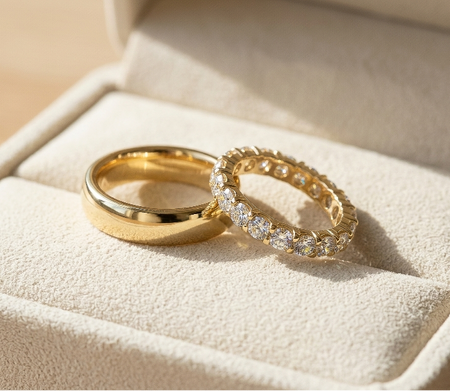
When the diamond is destined for a ring worn every single day, the conversation shifts slightly. The best clarity for an engagement ring balances three things: how the stone looks in person, how it holds up over a lifetime, and how your budget can be redirected toward the qualities you will notice most.
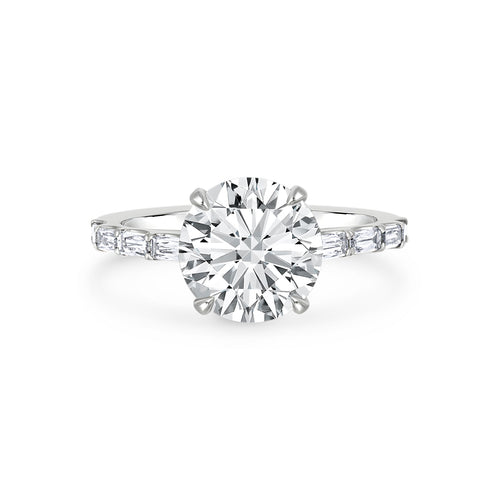
For everyday rings, an eye-clean VS2 or a well-chosen SI1 clarity stone often makes the wisest choice. The money you save by skipping flawless can move toward a larger carat weight or a superior cut, and cut is the single factor that most affects how a diamond sparkles. A brilliant cut in a modest clarity grade will always outshine a poorly cut flawless stone.
It helps to know how much does clarity affect diamond price in practical terms. The jump from SI1 to Flawless can double the cost of an otherwise identical stone, with no difference your guests will ever see. Explore our engagement ring collection to see how thoughtful clarity choices come together in finished designs, or let our team craft something one of a kind through our custom design service.
When Higher Clarity Is Worth It

There are moments when reaching higher on the scale makes sense, and honest guidance means naming them. Collectors building a portfolio of fine stones, buyers drawn to large step cuts like emerald or Asscher, and those who simply find peace of mind in a higher grade all have good reasons to invest more.
Large diamonds and open-faceted shapes reveal inclusions more readily, so a VVS or higher grade keeps them looking flawless to the eye. And for a milestone heirloom meant to pass through generations, the rarity of a top-tier stone carries its own quiet meaning.
The point is never that higher clarity is wrong. It is that the right clarity is personal, and it deserves a conversation rather than a formula.
The Clarity That's Right for You
So what is the best diamond clarity? For most people, it is the lowest grade that still looks flawless to your own eyes, which usually means an eye-clean stone in the VS or SI range paired with an excellent cut. That choice gives you brilliance, beauty, and value all at once, without paying for perfection that lives only under a microscope.
The truest answer, though, comes from seeing diamonds in person with someone you trust. We would love to help you find yours. Reach out to our team to schedule a private, no-pressure consultation and discover the difference a century of expertise makes.
Frequently Asked Questions
What is the best diamond clarity grade to buy?
For most buyers, the best value sits in the VS1 to SI1 range, where diamonds appear eye-clean yet cost significantly less than flawless stones. The ideal grade depends on the diamond's size, shape, and cut, so it is worth viewing the actual stone before deciding.
Is VS1 or VS2 clarity better?
VS1 is technically the higher grade, with inclusions that are harder to detect under magnification. In practice, both are eye-clean and look virtually identical to the naked eye, so VS2 often delivers the same beauty at a more comfortable price.
Can you see the difference between clarity grades with the naked eye?
In many cases, no. From VS2 upward, and frequently at SI1 for smaller or brilliant-cut stones, inclusions are invisible without magnification. This is why an eye-clean diamond can look just as stunning as a flawless one at a fraction of the cost.
How much does diamond clarity affect the price?
Clarity has a substantial effect on price, sometimes doubling the cost of an otherwise identical diamond as you move from SI1 to Flawless. Because much of that difference is invisible to the eye, many shoppers redirect the savings toward better cut or larger carat weight.
What clarity is best for an engagement ring?
For a ring worn daily, an eye-clean VS2 or a carefully selected SI1 usually offers the smartest balance of beauty, durability, and value. Prioritizing cut alongside clarity ensures the diamond delivers maximum sparkle for years to come.
Are SI clarity diamonds a good choice?
Yes, particularly SI1 stones, which are often eye-clean depending on the diamond's size and shape. They allow you to enjoy excellent visual quality while keeping more of your budget for the qualities you will actually notice, like cut and carat weight.