









The screen tells a beautiful story. A diamond catches the light just so, the gold looks rich and warm, and the price feels almost too good to walk away from. Then the box arrives, and the piece in your hand does not match the one you fell in love with online.
Buying fine jewelry through a website asks you to trust your eyes and your instincts in equal measure. Some signals speak quietly, like a missing certificate or a vague metal description. Others wave a flag the moment you land on a product page.
This guide walks you through how to spot quality jewelry online before you ever click "buy." You will learn the ten clearest warning signs to avoid, the ten green flags worth seeking out, and how to evaluate retailers, materials, and craftsmanship with confidence.
How to Spot Quality Jewelry Online at a Glance

Before we dig into each signal in detail, here is a side-by-side reference you can come back to. This table compares the ten most telling red flags with their green-flag counterparts, so you can scan a website and form an opinion in minutes.
|
Category |
Red Flag |
Green Flag |
|
Metal description |
Vague terms like "gold-tone" or "fashion gold" |
Specific karat (10K, 14K, 18K) or platinum stamp listed |
|
Diamond grading |
No mention of cut, color, clarity, or carat |
Full 4Cs disclosed with GIA, IGI, or AGS certification |
|
Pricing |
Prices far below market for the stated material |
Pricing aligned with current gold and diamond market value |
|
Imagery |
One stock-style photo, no detail shots |
Multiple high-resolution images, including macro views |
|
Brand authorization |
Sells luxury watch or designer brands without authorized retailer status |
Listed as an authorized retailer on the brand's official website |
|
Return policy |
No returns, all sales final, or vague language |
Clear return window, written policy, and exchange options |
|
Warranty and service |
No mention of repair, resizing, or warranty |
In-house repair, lifetime services, and written warranty |
|
Contact information |
Only a contact form, no address or phone |
Physical showroom, phone number, and named team members |
|
Product descriptions |
Generic copy reused across many listings |
Detailed descriptions with materials, measurements, and origin |
|
Reviews and reputation |
No reviews, or only five-star reviews from new accounts |
Verified reviews across multiple platforms over many years |
Red Flags That Should Make You Pause
Some warning signs are subtle. Others are loud enough that they should end your shopping session before it goes any further. Here are the five red flags that come up most often, and what they really mean.
-
The metal is described in vague or decorative terms. "Gold-tone," "yellow-finish," or "fashion gold" almost always means plated or filled, not solid. Solid gold listings will name a karat. Solid platinum will say so plainly.
-
The diamond has no grading information. Every quality diamond comes with the 4Cs (cut, color, clarity, and carat) and ideally a report from a respected lab like GIA or IGI. A listing that only says "real diamond" gives you no way to verify what you are actually buying.
-
The price is dramatically lower than the market. Gold, platinum, and certified diamonds carry a real material cost. A "1 carat diamond engagement ring in 18K gold" priced at a fraction of competitors is almost always a synthetic, a treated stone, plated metal, or all three.
-
The seller carries luxury brands without authorization. Brands like Rolex, Patek Philippe, and Cartier control distribution closely. If a website sells these names and is not listed on the brand's authorized retailer page, the watches may be gray market, refurbished, or counterfeit.
-
There is no real way to reach a human. Fine jewelry is a relationship purchase. A trustworthy site offers a phone number, a physical showroom address, and named team members you can ask for by name when you call.
Green Flags of a Trustworthy Online Jeweler
Knowing what to avoid is half the picture. Here is what to actively look for when a website is earning your trust.
-
Specific, technical product descriptions that name metal karat, stone weights, settings, and dimensions in millimeters
-
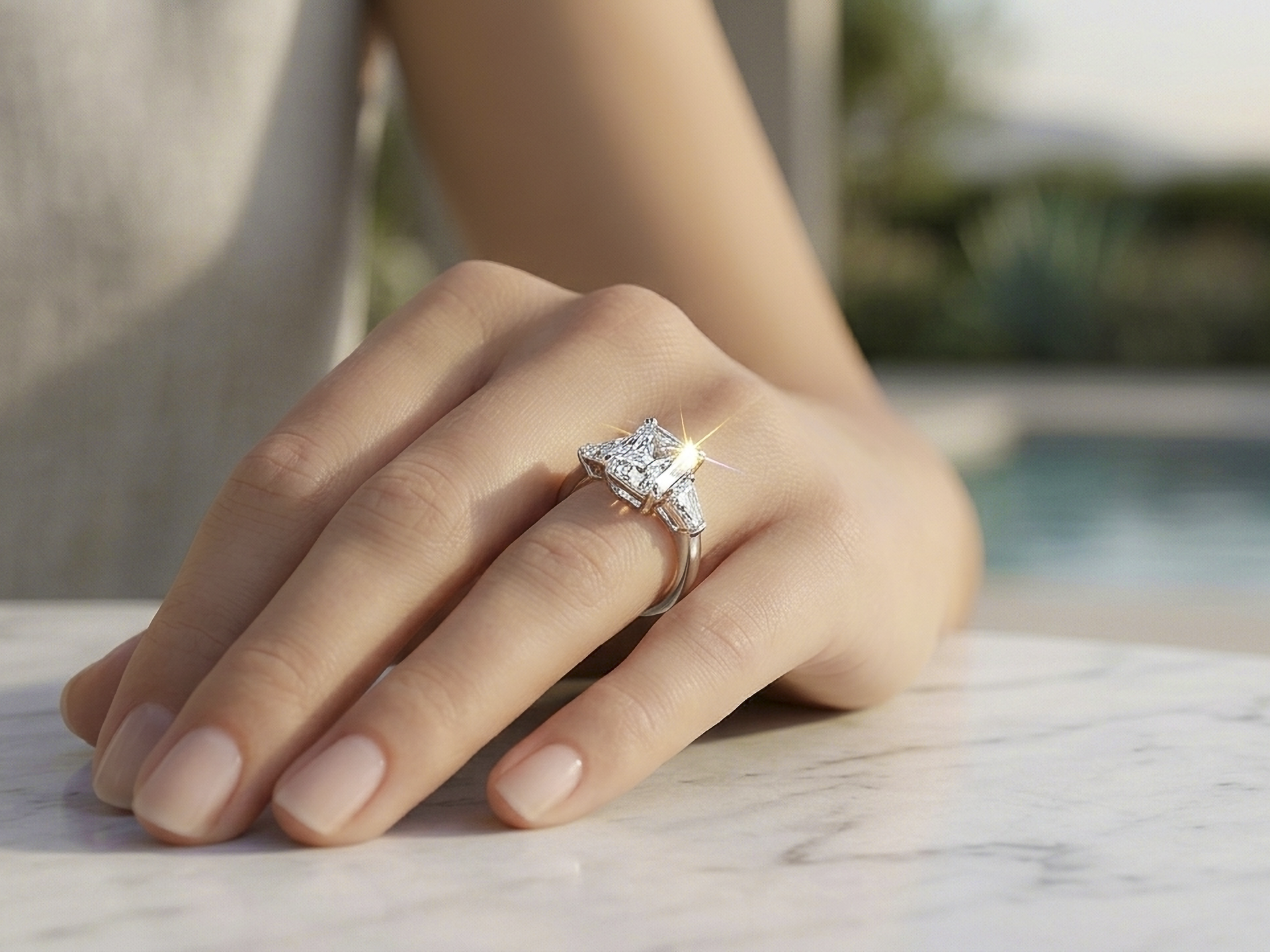
Multiple high-resolution images including macro shots, hand shots, and views from several angles
-
Independent grading reports for diamonds and colored stones, viewable or downloadable on the product page
-
A clear return and exchange policy written in plain language with a defined window
-
In-house repair and service, rather than outsourcing every adjustment
-
A physical showroom where you can verify the business exists and visit in person
-
Verified third-party reviews on Google, BBB, and Yelp that span years rather than weeks
-
Transparent brand relationships, including authorized retailer status for any luxury names carried
-
Education-rich content that helps you understand the craft, not just the catalog
-
A real human team introduced by name, with credentials like Graduate Gemologist or master jeweler.
When most of these signals appear together on the same site, you can shop with confidence. Polacheck's Jewelers has built its reputation on every one of these elements over four generations of family ownership in Calabasas. Browsing the full collection of fine jewelry gives you a sense of what detailed, transparent product pages look like in practice.
What Quality Looks Like in Specific Jewelry Categories

Different pieces carry different quality signals. A great engagement ring tells you something different than a great watch. Here is how to read each category.
Engagement Rings and Bridal
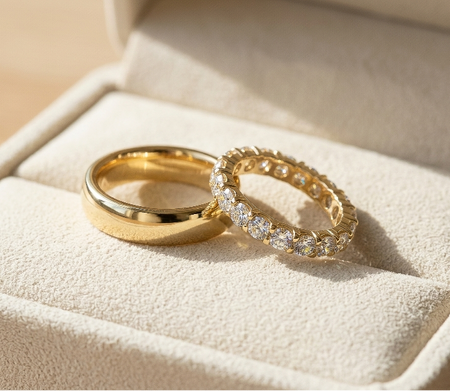
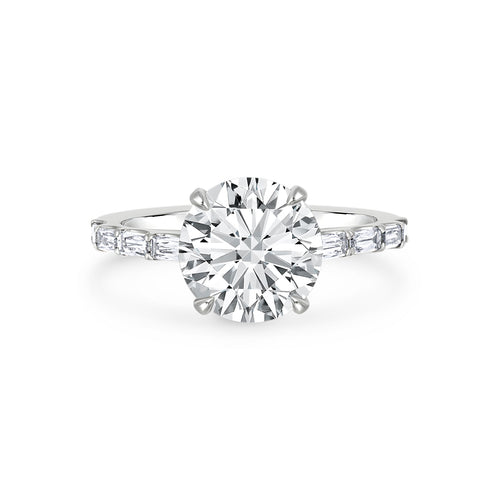
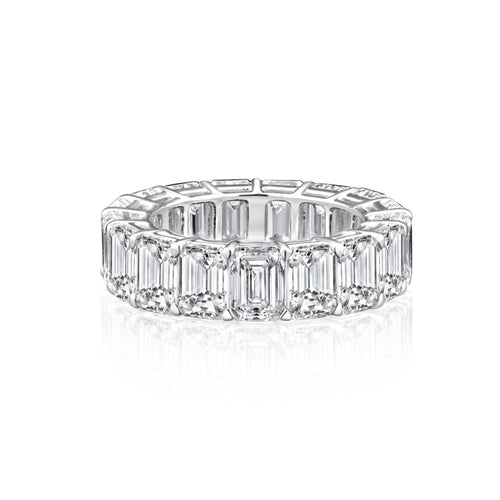
Quality bridal pieces always come with documented stone information. Look for a center stone with a recent GIA, IGI, or AGS report, settings made from solid gold or platinum, and finishing details like hand-engraved milgrain or pavé that sits flush. Designer bridal lines and bespoke pieces from a trusted house, like the styles in the Polacheck's engagement ring collection, should clearly state the metal, total carat weight, and designer.
Designer Jewelry
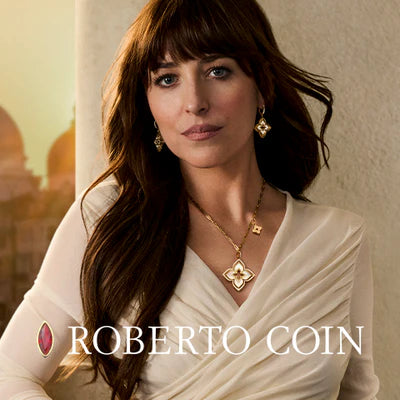
Designer pieces from houses like Roberto Coin or Shy Creation include the maker's hallmark, a model or style number, and original packaging. If a "designer" listing skips these details, treat it as suspect. Authentic pieces are also priced in line with the brand's MSRP, not heavily discounted on a random storefront.
Necklaces, Bracelets, and Earrings
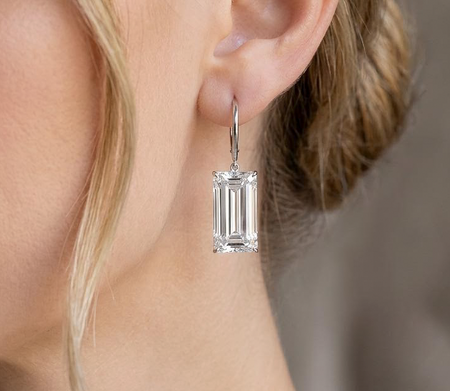
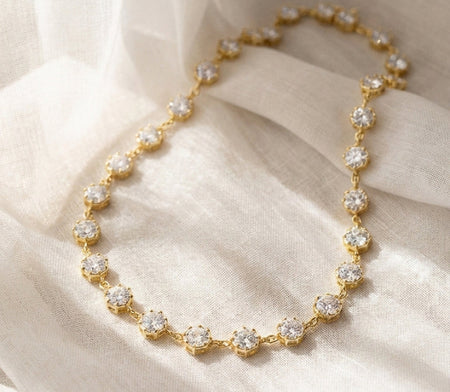
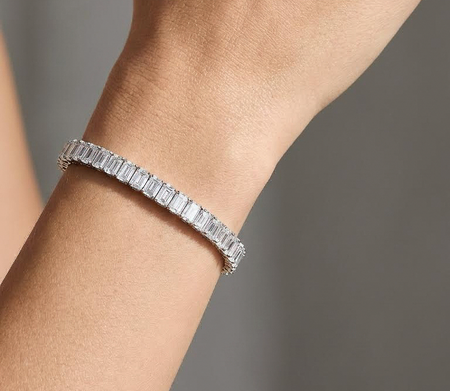
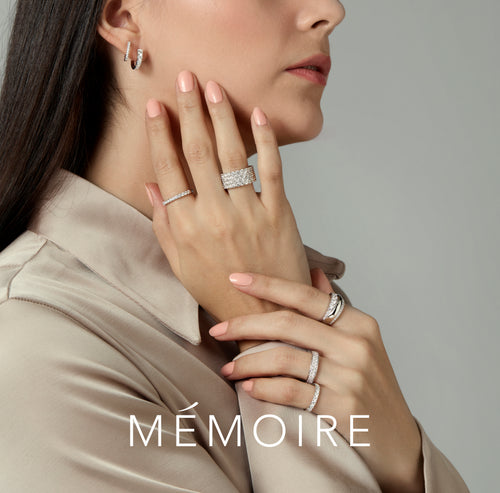
For everyday fine jewelry like necklaces, bracelets, and earrings, the most important details are metal karat, chain or post construction, clasp type, and stone setting method. Quality listings spell all of this out so you know exactly what is arriving in the box.
Luxury Watches
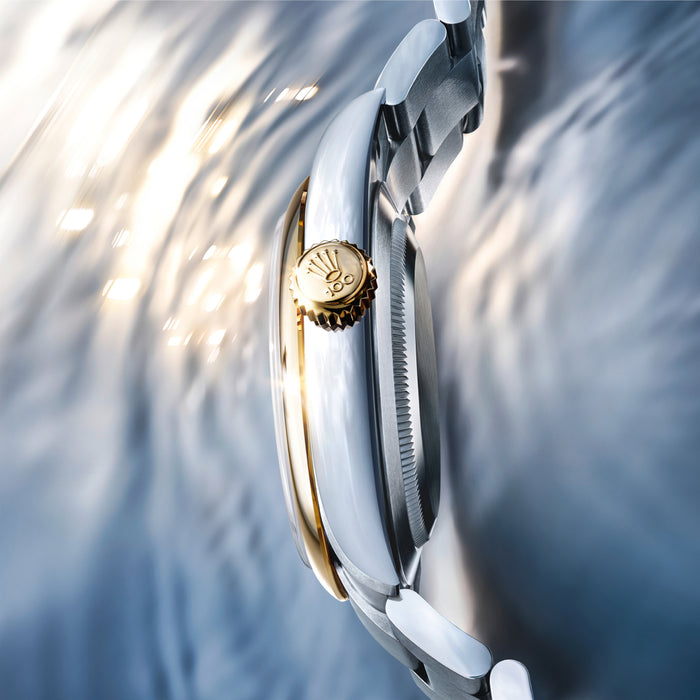
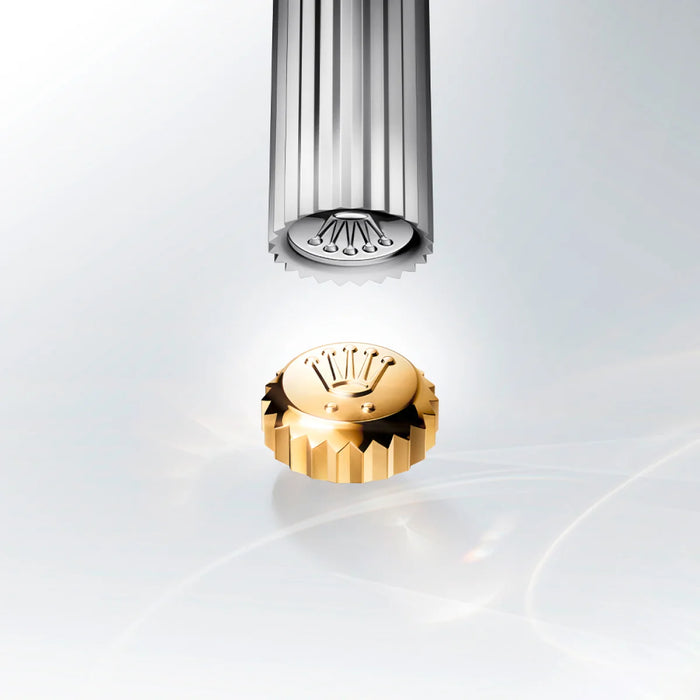
Watches are the easiest category to get wrong online. A genuine Rolex, Patek Philippe, or Tudor will always come with original papers, box, and serial numbers that match the documents. Pre-owned should mean inspected and verified by certified watchmakers, like the timepieces in the Rolex certified pre-owned collection. If a "pre-owned" watch ships without papers and without a written authenticity guarantee, walk away.
Why Authorized Retailers Matter Most for Luxury Pieces
The single fastest way to validate a high-value purchase is to confirm authorized retailer status. Brands like Patek Philippe, Rolex, and Cartier publish their authorized retailer lists on their official websites. If a seller is not listed, the brand will not honor the warranty, and the piece may not be authentic.
Authorized retailers also offer something a marketplace cannot: trained staff, full manufacturer warranty, factory-trained service, and a long-term relationship. When you buy from an authorized seller, you are not just acquiring a piece. You are stepping into the brand's care system for as long as you own it.
Bringing It All Together
Spotting quality jewelry online is less about luck and more about reading the signals a website chooses to share with you. Specific descriptions, real certifications, transparent pricing, named experts, and authorized brand relationships are the foundations of trust. Anything missing from that list is a question you deserve an answer to.
When you are ready to see what fully transparent, fully credentialed luxury jewelry looks like, the team at Polacheck's would love to welcome you. Reach out to schedule a private consultation and let four generations of expertise guide your next piece.
Frequently Asked Questions
How can you tell if jewelry is real before buying online?
Look for a specific metal karat (10K, 14K, 18K, or platinum) clearly stated in the product description, an independent grading report for any diamond or colored stone, and pricing that aligns with the current market value of the materials. Reputable online jewelers also list multiple high-resolution images, the designer or maker, and a written warranty.
What certifications should I look for when buying diamonds online?
The most respected diamond grading reports come from the GIA (Gemological Institute of America), IGI (International Gemological Institute), and AGS (American Gem Society). A trustworthy listing will reference one of these labs, share the report number, and ideally let you view or download the certificate before purchase.
Is it safe to buy luxury watches online?
Yes, when you buy from an authorized retailer or a reputable certified pre-owned program. Verify the seller appears on the brand's official authorized retailer list, confirm the watch ships with original papers and box, and look for a written authenticity guarantee. Pre-owned pieces should be inspected by certified watchmakers before sale.
What is the difference between solid gold and gold-plated jewelry?
Solid gold is gold throughout, marked by a karat stamp like 10K, 14K, or 18K, and holds long-term value. Gold-plated jewelry is a thin layer of gold over a base metal like brass or copper, and the plating wears off with regular wear. Listings that say "gold-tone" or "fashion gold" without a karat are almost always plated.
How do I know if an online jeweler is reputable?
Reputable jewelers have a physical showroom, a phone number, named experts on staff (such as Graduate Gemologists or master jewelers), authorized retailer status for the luxury brands they carry, and verified reviews on third-party platforms across many years. A long family history, like Polacheck's four generations in Calabasas, is another strong trust signal.
Should online jewelry come with a return policy?
Yes. A trustworthy online jeweler offers a clearly written return policy with a defined window, an exchange option, and instructions for safely returning the piece. If a seller advertises "all sales final" on fine jewelry without explanation, treat it as a serious red flag.