








Picture two diamonds side by side under the showroom lights. One is noticeably larger. The other runs a touch smaller and looks clean and bright from every angle. Most people lean toward one before they can explain why, and the diamond clarity vs carat more important question usually comes down to that first instinct.
Four generations of the Polacheck family have guided clients through this decision at our Calabasas showroom for more than 100 years. The honest answer is that neither clarity nor carat wins outright. The right balance depends on the cut, the setting, and the person who will wear the piece.
By the end of this guide, you will know how each factor changes what you see and what you pay, and how to prioritize them for the piece you have in mind.
What Diamond Clarity vs Carat Weight Actually Measure

Before you can decide which matters more, it helps to know what each term describes. They measure two completely different things.
Carat weight measures mass, not size. One carat equals 200 milligrams. Because cutters finish diamonds in different proportions, two stones of identical carat weight can look slightly different across the top.
Clarity describes how free a diamond is from inclusions (internal characteristics) and blemishes (surface marks). Gemologists grade clarity under 10x magnification, so many of the marks that lower a grade stay invisible to the unaided eye.
|
Factor |
What it measures |
How you experience it |
|
Carat weight |
The diamond’s mass |
Overall presence and how large the stone reads on the hand or neckline |
|
Clarity |
Presence of inclusions and blemishes |
Cleanliness up close and, in lower grades, brightness of the stone |
Once you see the distinction, half the debate resolves itself. Carat determines presence from across the room. Clarity determines what you find when you look closely.
Diamond Clarity Grades Explained

The clarity scale runs from Flawless to Included. Here is how the grades break down and what each one means in real life.
|
Grade |
Full name |
What you see without magnification |
|
FL / IF |
Flawless / Internally Flawless |
Nothing. Extremely rare. |
|
VVS1 / VVS2 |
Very Very Slightly Included |
Nothing. Inclusions are difficult to find even under 10x. |
|
VS1 / VS2 |
Very Slightly Included |
Nothing in most stones. The sweet spot for value. |
|
SI1 / SI2 |
Slightly Included |
Usually nothing in SI1. SI2 may show minor marks depending on the stone. |
|
I1 to I3 |
Included |
Inclusions often show and can dull brilliance. |
The most useful term in this conversation is eye-clean. An eye-clean diamond shows no inclusions to the naked eye at normal viewing distance. A VS2 and a VVS1 can both be eye-clean, yet the price gap between them can be substantial.
Where Clarity Starts to Matter
Clarity becomes a genuine visual factor in a few specific cases.
- Larger stones. Inclusions are easier to spot in a 2-carat diamond than in a half-carat stone because the facets are larger and there is more area to see.
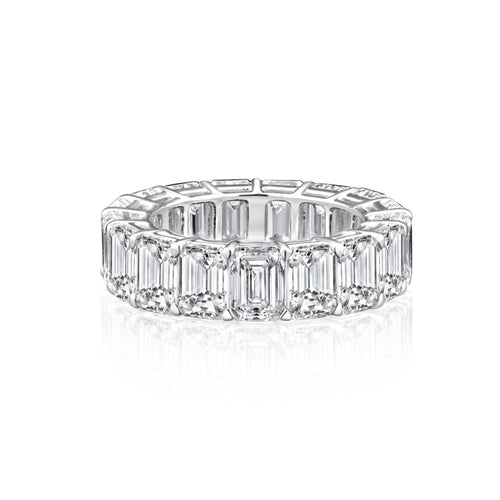
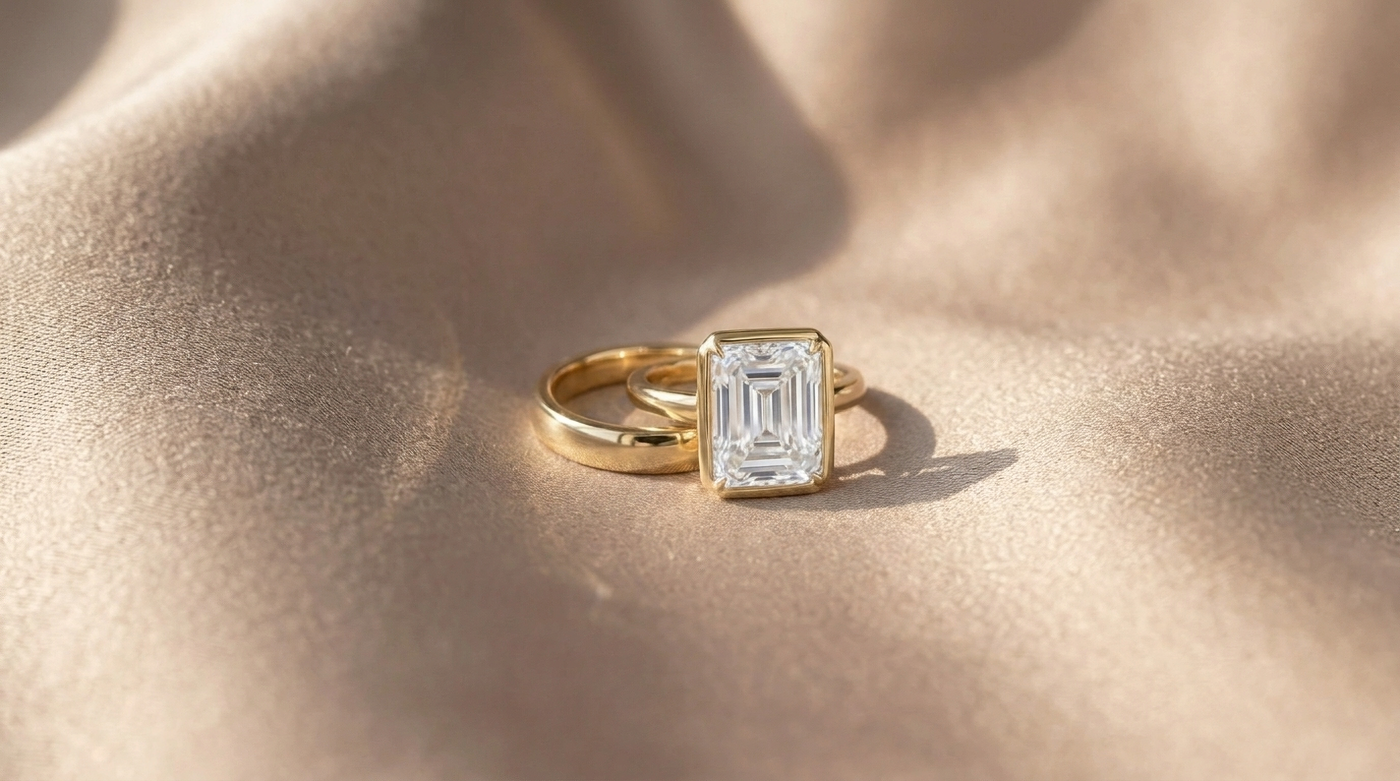
- Step cuts. Emerald and Asscher cuts have long, open facets that act like windows. They hide very little, so a higher clarity grade earns its cost.
- Inclusion placement. A prong can often hide a small inclusion near the edge. The same inclusion directly under the table draws far more attention.
For brilliant cuts such as rounds and ovals, the sparkle itself masks minor inclusions. Many round diamonds in the VS2 to SI1 range look every bit as clean as their pricier neighbors for exactly that reason.
Carat Weight vs Diamond Size: Why Bigger Is Not Always Bigger
Carat weight is the number most people quote, yet the figure on the certificate does not always match what the eye perceives.
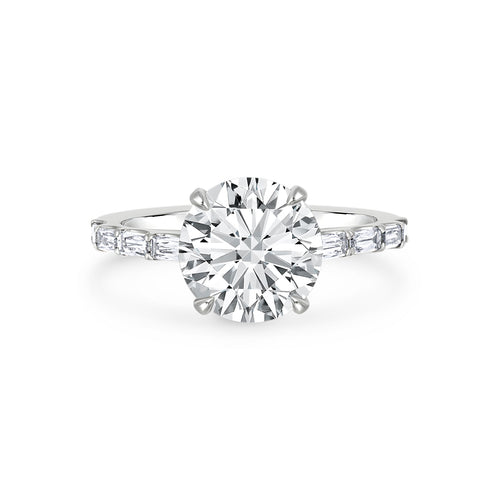
A well-cut 1-carat round measures roughly 6.4 to 6.5 millimeters across. A poorly cut stone of the same weight may carry extra depth beneath the girdle, where the weight does nothing for face-up size. Cut quality, more than carat alone, decides how large a diamond looks.
A few points to keep in mind:
- Carat pricing jumps at milestones. A diamond just under 1.00 carat can cost noticeably less than one just over, with almost no visible difference.
- Elongated cuts look larger. Ovals and pears spread their weight across a longer outline and read bigger per carat than rounds.
- Setting style matters. A halo or thin band makes a center stone appear larger. A wide or chunky band does the opposite.
If presence on the hand is your priority, smart cut and setting choices deliver more size per dollar than weight alone. Browse our collection of fine rings to see how different settings frame the same stone.
Which Is More Important, Clarity or Carat?

Now the real question. The answer depends on what you are buying and who will wear it.
|
Situation |
Prioritize |
Why |
|
Engagement ring, round or oval |
Carat and cut, with clarity at VS2 or eye-clean SI1 |
Brilliant cuts hide minor inclusions, and presence matters most on the hand |
|
Engagement ring, emerald or Asscher |
Clarity first, VS1 or higher |
Open facets reveal inclusions clearly |
|
Diamond stud earrings |
Carat over clarity |
Viewed at a distance, so SI1 stones look flawless on the ear |
|
Diamond pendant or necklace |
Carat over clarity |
Nobody inspects a pendant with a loupe |
|
Investment or collector piece |
Clarity and color at the top of the scale |
Rarity drives long-term value |
|
Heirloom meant to be passed down |
Balance both, favoring cut |
Timeless beauty outlasts maximum size |
For most engagement rings, set a clarity floor at eye-clean and put the remaining budget toward carat and cut. Explore our engagement ring collection to see how that balance plays out across styles.
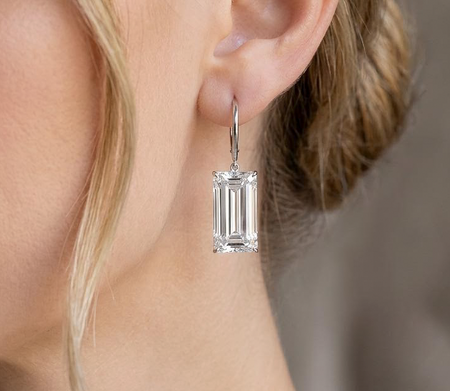
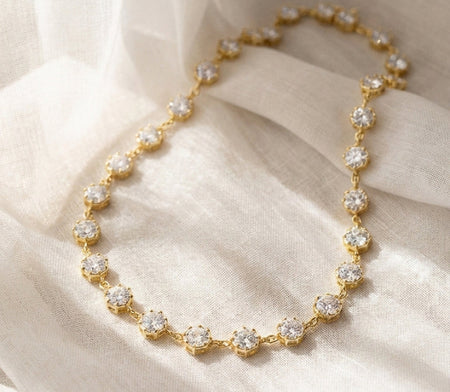
Carat wins almost every time for earrings and pendants. People view diamond earrings and diamond necklaces and pendants from arm’s length or farther, so a slightly lower clarity grade goes completely unnoticed.
How to Choose a Diamond Using the 4Cs Priority Method

Clarity and carat sit alongside cut and color, and the order you weigh them decides the final stone. Here is the diamond 4Cs priority order our team recommends for most clients.
- Cut. Cut controls brilliance and perceived size, and an excellent cut flatters every other grade. Treat it as non-negotiable.
- Clarity to the eye-clean threshold. Go high enough that nothing shows without magnification, then stop.
- Color to the near-colorless range. G to I is a comfortable target for white metals. Warmer settings forgive more.
- Carat. Spend whatever remains on size.
The sequence works because it locks in the qualities you will actually see before you spend on the qualities you will only read on a certificate.
A Practical Example
Imagine a budget in the $5,000 range. Two options might look like this.
|
Option |
Carat |
Clarity |
Color |
Cut |
Result |
|
A |
1.25 ct |
VVS1 |
F |
Very Good |
Smaller, technically superior, no visible advantage |
|
B |
1.50 ct |
VS2 |
G |
Excellent |
Larger, brighter, eye-clean, more presence |
Most clients choose Option B once they see both in person. Clarity beyond eye-clean rarely improves what you see, while carat and cut almost always do.
Whether you are shopping for pieces from $2,000 to $5,000 or fine jewelry $5,000 and up, the same framework applies.
Why the Right Answer Is Often a Custom One
The debate gets simpler once you design the setting around the stone. A bezel can conceal an edge inclusion. A slender band amplifies carat presence. Warm gold makes a slightly lower color grade glow.
Many clients start with a stone they love and let our master artisans build the mounting to flatter it. Polacheck’s Collection engagement rings follow exactly this philosophy, designed in-house so you control how every characteristic of the diamond comes across.
Bringing Clarity and Carat Into Balance
Clarity and carat work together, and the goal is a diamond that looks the way you imagined it. For engagement rings, aim for eye-clean and let carat and cut carry the beauty. For earrings and pendants, favor size. For heirlooms and investments, reach for the top of the scale.
The surest way to settle the question is to see the stones side by side with someone who can explain what you are looking at. Four generations of the Polacheck family have done exactly that for clients in Calabasas, and we would welcome the chance to do the same for you. Schedule a private consultation and let us help you find the diamond that feels right.
Frequently Asked Questions
Is clarity or carat more important in a diamond?
For most engagement rings and everyday jewelry, carat and cut carry more visual impact than clarity once the stone is eye-clean. Clarity takes priority for step cuts such as emerald and Asscher, for very large stones, and for collector-grade pieces where rarity drives value.
What clarity grade is eye-clean?
Most diamonds at VS2 and above are eye-clean, and many SI1 stones are as well. Whether an SI1 qualifies depends on the size, type, and location of its inclusions, which is why viewing the specific stone matters more than the grade alone.
Does a higher clarity grade make a diamond sparkle more?
Not necessarily. Sparkle comes primarily from cut quality. A well-cut VS2 diamond outshines a poorly cut VVS1 every time. Clarity only affects brilliance once inclusions grow large or cloudy enough to block light, which typically happens in the I1 to I3 range.
Is a 1 carat diamond too small for an engagement ring?
A 1-carat diamond is a classic and elegant choice, and it looks larger in an oval or pear cut or in a halo or thin-band setting. Perceived size depends far more on cut and setting than on the carat number itself.
Why do diamond prices jump at 1 carat?
Diamond pricing rises in steps at popular milestone weights such as 0.50, 1.00, 1.50, and 2.00 carats because demand concentrates there. A 0.95-carat diamond can cost significantly less than a 1.00-carat stone with almost no difference in appearance.
How do I choose between clarity and carat on a budget?
Set a clarity floor at eye-clean, choose the best cut grade available, and then apply the remaining budget to carat weight. For earrings and pendants, you can lean further toward carat since people view those pieces from a distance.